

















 Reviews
 My Account
 Contact Us
 Help
Help
Do Dogs Really Understand Kisses?
Have you ever wondered what your dog was thinking? Maybe you want to know what they really think about you? Or maybe you just want to know if they understand your gestures of love and affection the way that you hope they do.
Here’s the thing. Yes, dogs understand affection. Do they really understand what kisses are and why you want to slather them from head to toe? Not really. But can they make a correlation between your kisses and the way it makes them feel? Absolutely.
So, if you’ve been wondering, do dogs understand kisses? We’ve got some answers for you.
Dogs Don't Speak Human (But They're Great at Learning It)
Here's something fun to think about. Dogs don't actually kiss each other. In the animal world, that kind of face-to-face contact just isn't a thing. Dogs communicate through body language, scent, tail position, and yes, the occasional lick. A lick from a dog can mean many things. It might be a greeting or an expression of affection. It might just mean you taste like your lunch.
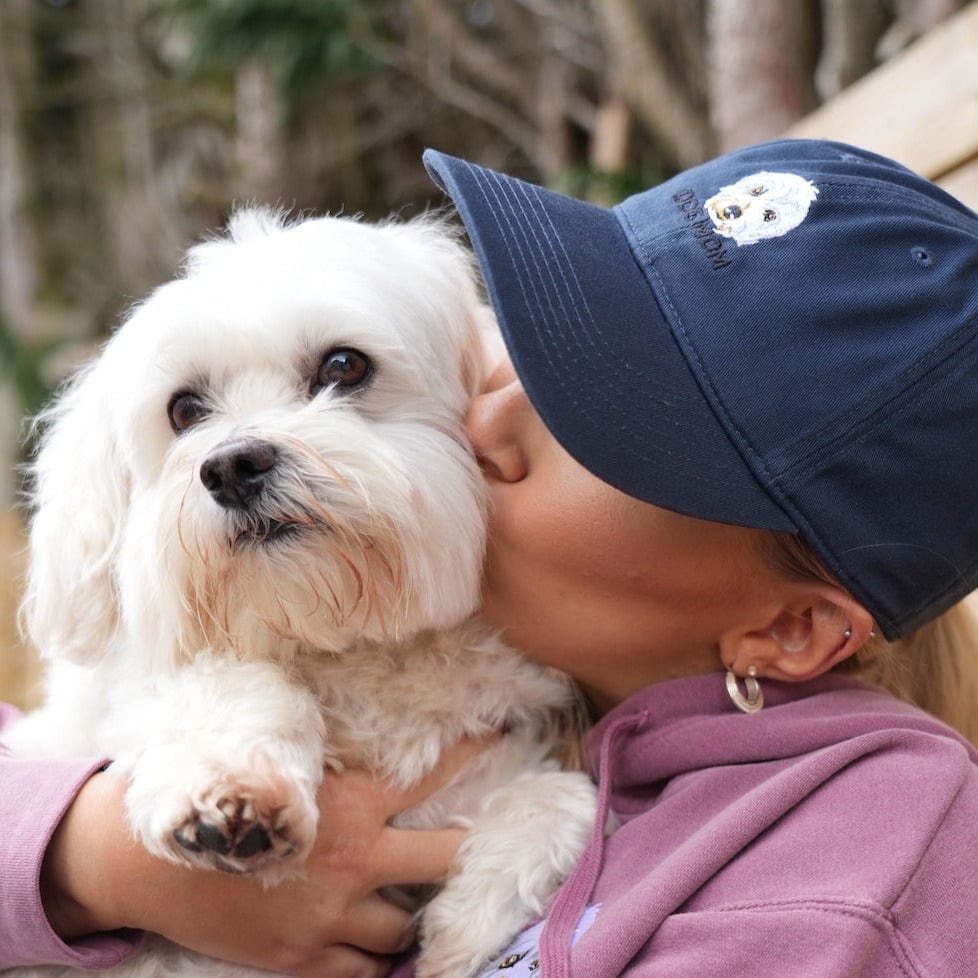
So when you lean in and press your lips to your dog's forehead, do dogs know what kisses are the same way that humans do? Not quite. But that doesn't mean the moment is lost on them. Dogs are incredibly good at reading people. Over time, they figure out patterns and start to make some associations. For example, kisses come with a soft voice, and sometimes they lead to a good old belly rub. They may not have a word for it, but they start to understand what it means.
What Your Dog Actually Thinks When You Kiss Them
When you kiss your dog, they aren't thinking "oh, how sweet." What they are doing is reading every signal you're sending at once. Your tone of voice. How close is your face? Whether your body is relaxed or tense. The look in your eyes. Dogs are masters at picking up on all of it.
If you're calm, happy, and affectionate, your dog feels that. They may lean into you, wag their tail, or lick you right back. In their mind, something good is happening. They don't need to label it a "kiss" to know that this person loves them.
That said, do all dogs like kisses? No, not always. Some dogs lean in and soak up every smooch. Others just tolerate it patiently and hope to get back to their favorite chew toy sooner rather than later. And some dogs genuinely feel uncomfortable with close face contact, especially if they weren't socialized with it early on. Paying attention to your dog's body language will tell you a lot about how they really feel.
The Science Behind Dogs and Human Affection
Here's where it gets really interesting. Research shows that physical affection actually changes the chemistry in your dog's body. One study on guide dogs found that just 15 minutes of petting and tactile interaction caused a measurable increase in oxytocin levels in their saliva. Oxytocin, which you may have heard called the "love hormone," plays a super important role in bonding for both humans and animals.
That same hormone also influences how dogs behave. When dogs receive oxytocin, they tend to show more affectionate behaviors toward the people they are bonded with. Things like snuggling closer, staying near their person, and even licking. So while your dog may not understand the concept of a kiss, their brain and body are absolutely responding to your love.
This is why “do dogs understand human kisses” is such a layered question. They may not grasp the cultural meaning behind a kiss. But they do know how to respond to closeness, warmth, and affection in real and measurable ways.
How Dogs Show They Understand You Love Them
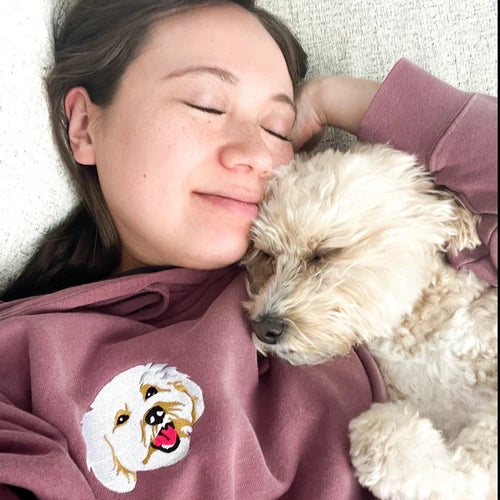
You don't have to wonder if your message is getting through. Your dog will tell you. When a dog is happy and comfortable receiving affection, you'll usually see a loose, wiggly body. Their tail will wag. They might lean against you or nudge your hand for more. Some dogs will even close their eyes, which is a sign of total trust and relaxation.
On the flip side, a dog who isn't loving the moment might look away, lick their lips, yawn, or hold their body stiff. These are all signs that your dog is feeling a little uncertain. It doesn't mean they don't love you. Simply said, the ways dogs show affection can vary.
Do dogs like being kissed? That really depends on the individual dog. Knowing your dog's comfort level is one of the best things you can do for your relationship.
How to Make Kisses a Pawsitive Experience
Sorry, we couldn’t help but put our spin on the word “positive.” But the point here is that just because your dog isn’t so sure about kisses now, it doesn’t mean you can’t help them get used to the idea as time goes on. Here are some tricks to help your dog start loving your kisses as much as you love giving them:
-
A quick, gentle kiss on the top of the head is a great place to begin. Keep it brief and low-pressure so your dog doesn't feel overwhelmed.
-
Follow up each kiss with something your dog already loves. A small treat right after helps them connect the moment with something good.
-
Your tone matters a lot to your dog. Soft, warm, upbeat words during and after a kiss help signal that this is a safe and loving moment.
-
If your dog moves away, let them. Forcing closeness can backfire. When your dog chooses to come back to you, that's when the real trust is built. So, let them retreat to their dog living space and try again at a later time.
-
The more your dog experiences kisses paired with calm, happy energy, the more comfortable they will become over time. Patience goes a long way.
A Quick Note About Health
Loving on your dog is absolutely one of the greatest gifts of pet ownership. But, we’d be remiss if we didn’t offer a quick reminder that dogs can carry bacteria in their mouths and on their fur. Things like Pasteurella, Salmonella, and certain parasites can occasionally be passed between pets and people. The risk is generally low for healthy adults. However, if you have young children, are in your senior years, or have a weakened immune system, the risks may be a bit greater.
One of the best things you can do for your family and your dog is to keep them up to date on their vaccinations and routine vet visits. A healthy, well-cared-for dog is a safer snuggle partner for everyone. So kiss away, but keep up with those vet appointments.
Every Dog Is Different
Some breeds are famously affectionate and practically beg for face time, and these just so happen to be some of the cutest dog breeds as well. The Cavalier King Charles Spaniel lives for cuddles and loves being close to their people. Golden Retrievers and Labrador Retrievers are known for their sweet, people-loving personalities and are usually happy to accept all the kisses you can give. French Bulldogs and Pugs tend to be velcro dogs who want to be wherever you are, and they often thrive on physical affection.
Even breeds that might surprise you can be total softies. The Greyhound, often thought of as aloof, is actually a gentle and affectionate companion who loves lounging close to their favorite humans.
Of course, breed tendencies are just a starting point. Every dog is an individual. Rescue dogs or dogs who had difficult early experiences may need more time and patience before they feel comfortable with close contact. That's okay. Building trust is what matters most.
Love Is a Language You Can Teach
So, do dogs like kisses? Some absolutely do. Others prefer a good belly rub or a game of fetch as their love language. The beautiful thing is that dogs are always paying attention. They are reading you, learning you, and figuring out exactly what your gestures mean.
Your dog may never know that a kiss is what humans do when they love someone deeply. But they know what it feels like to be close to you, happy, and calm. They feel the warmth of that connection in a very real way.
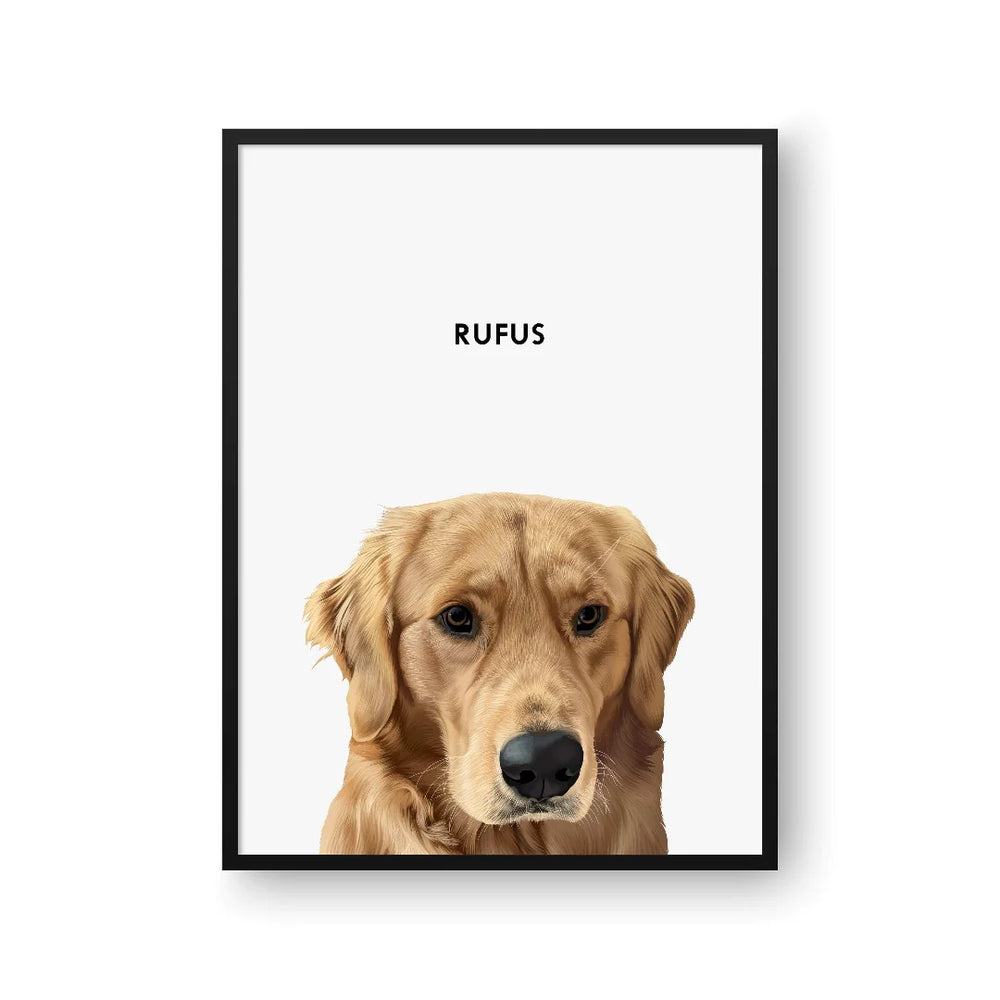
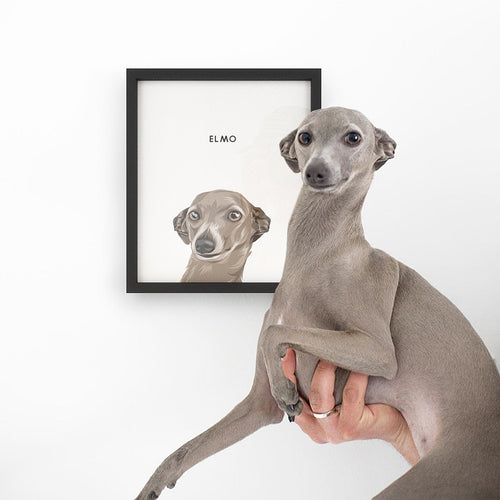
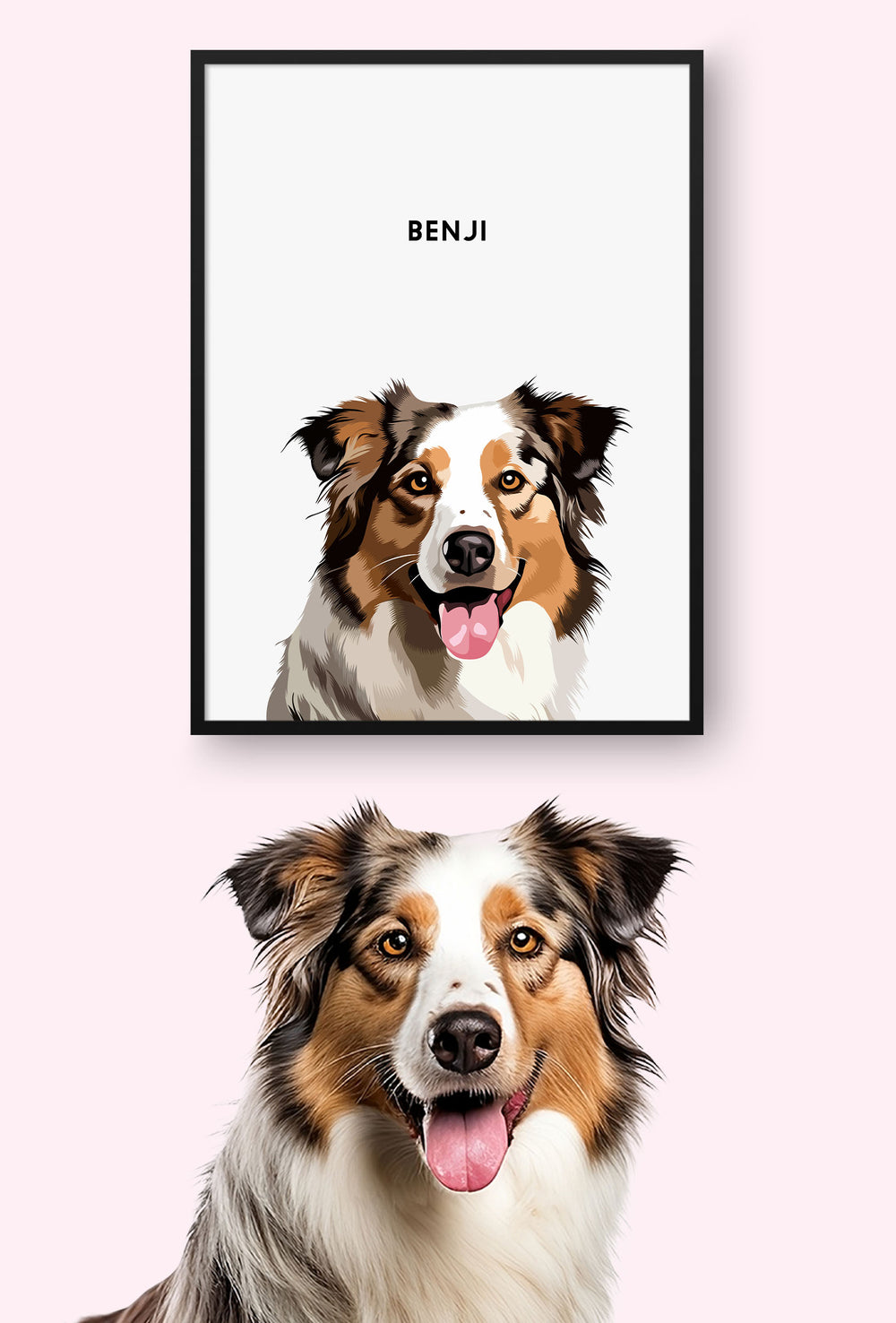
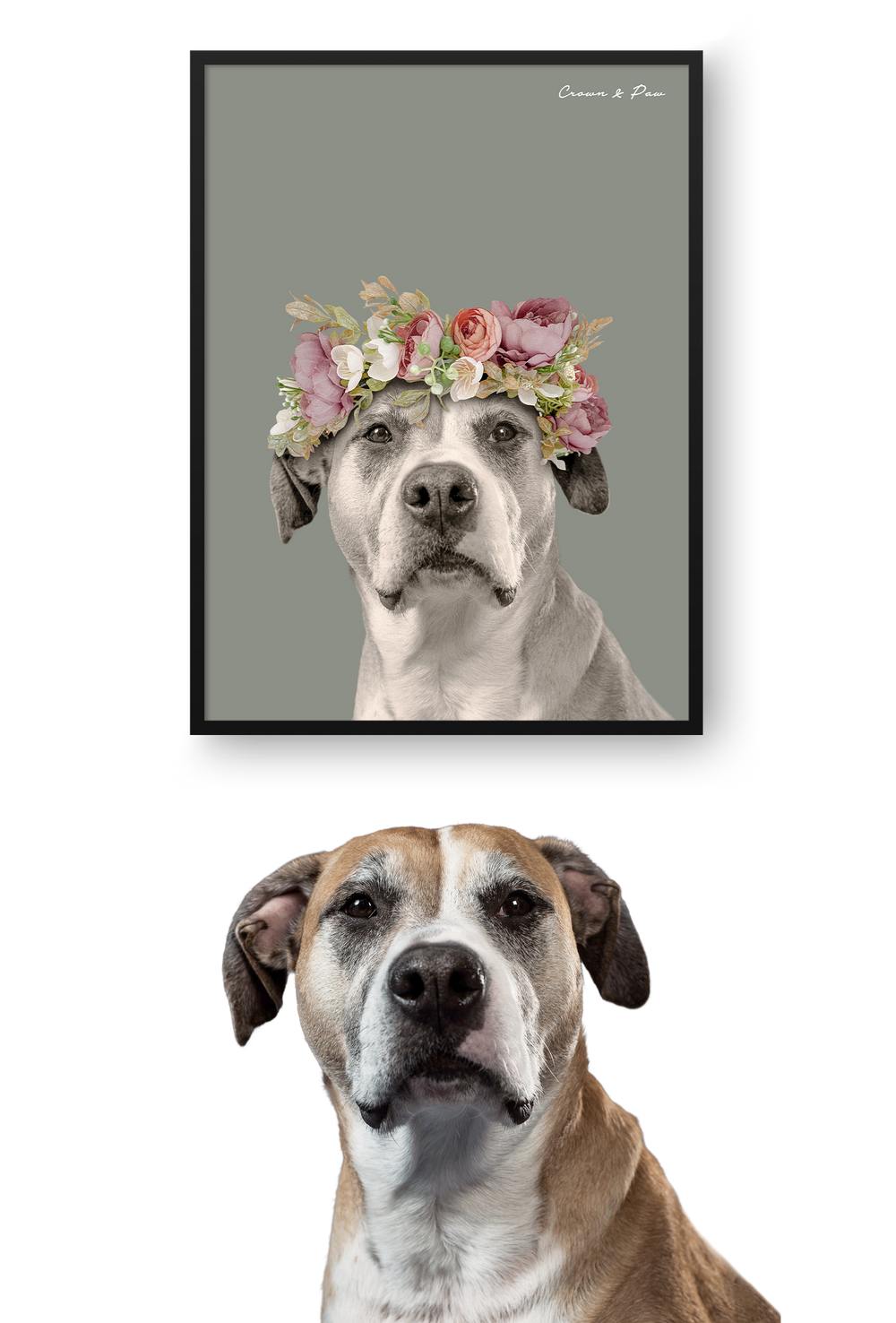
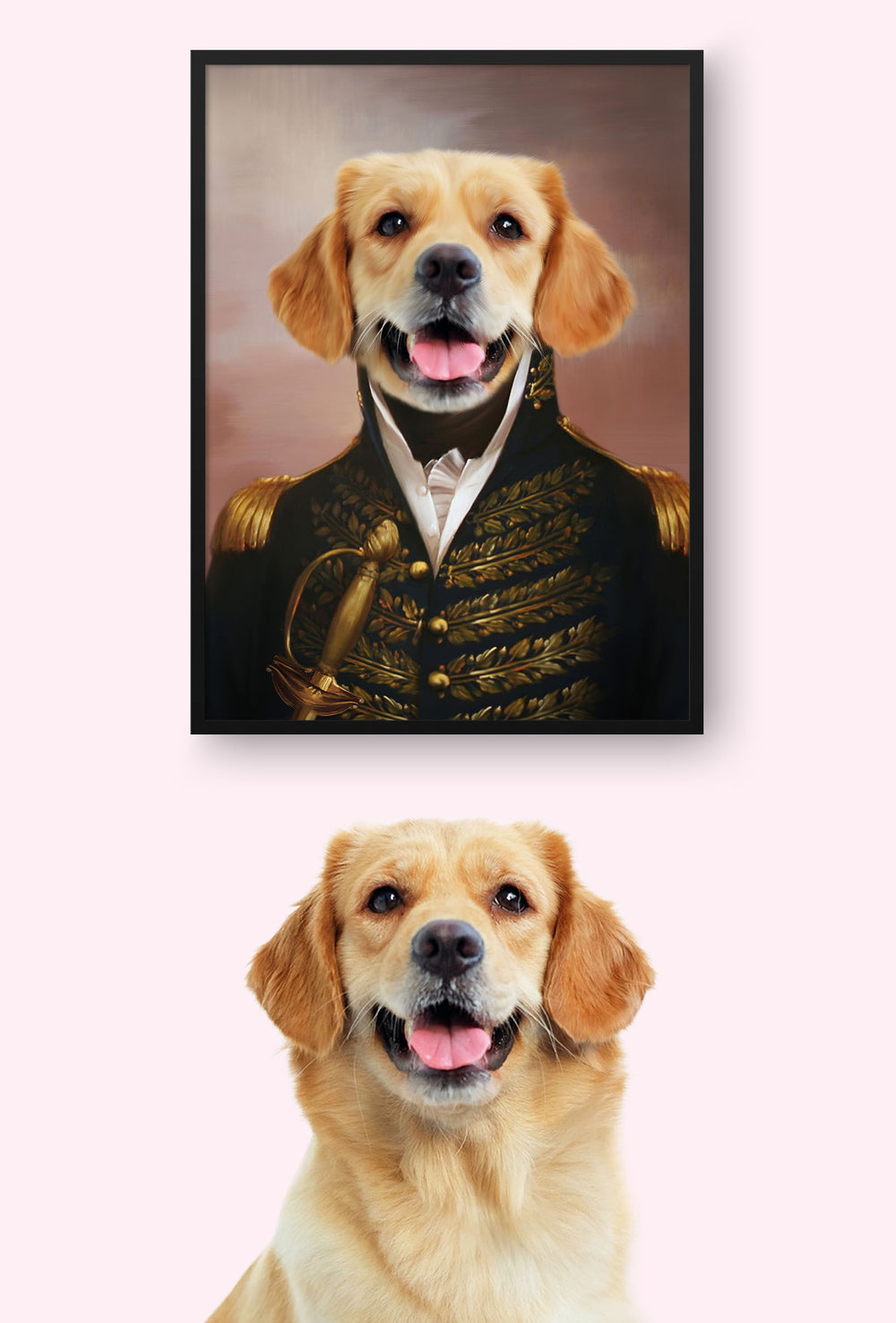
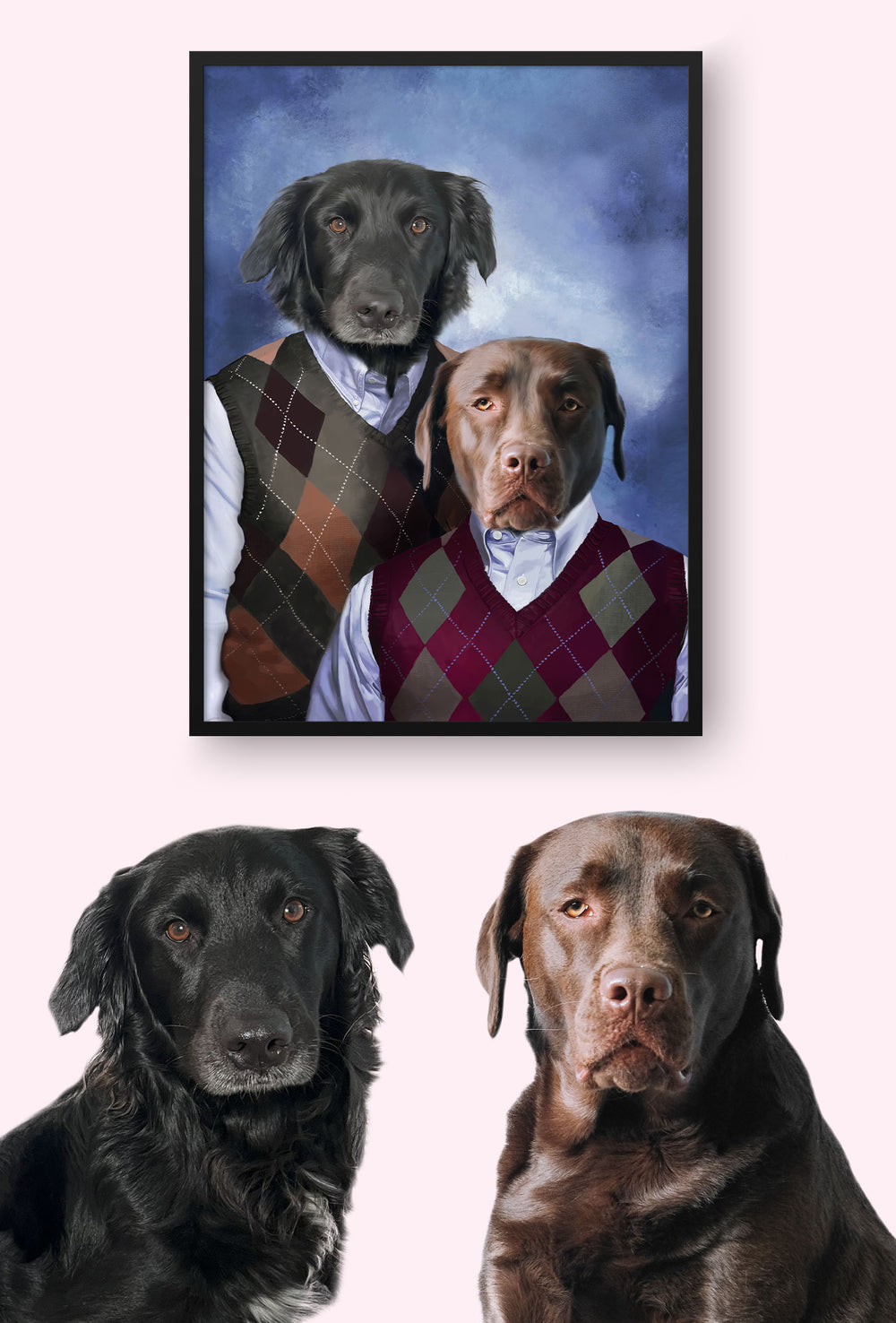
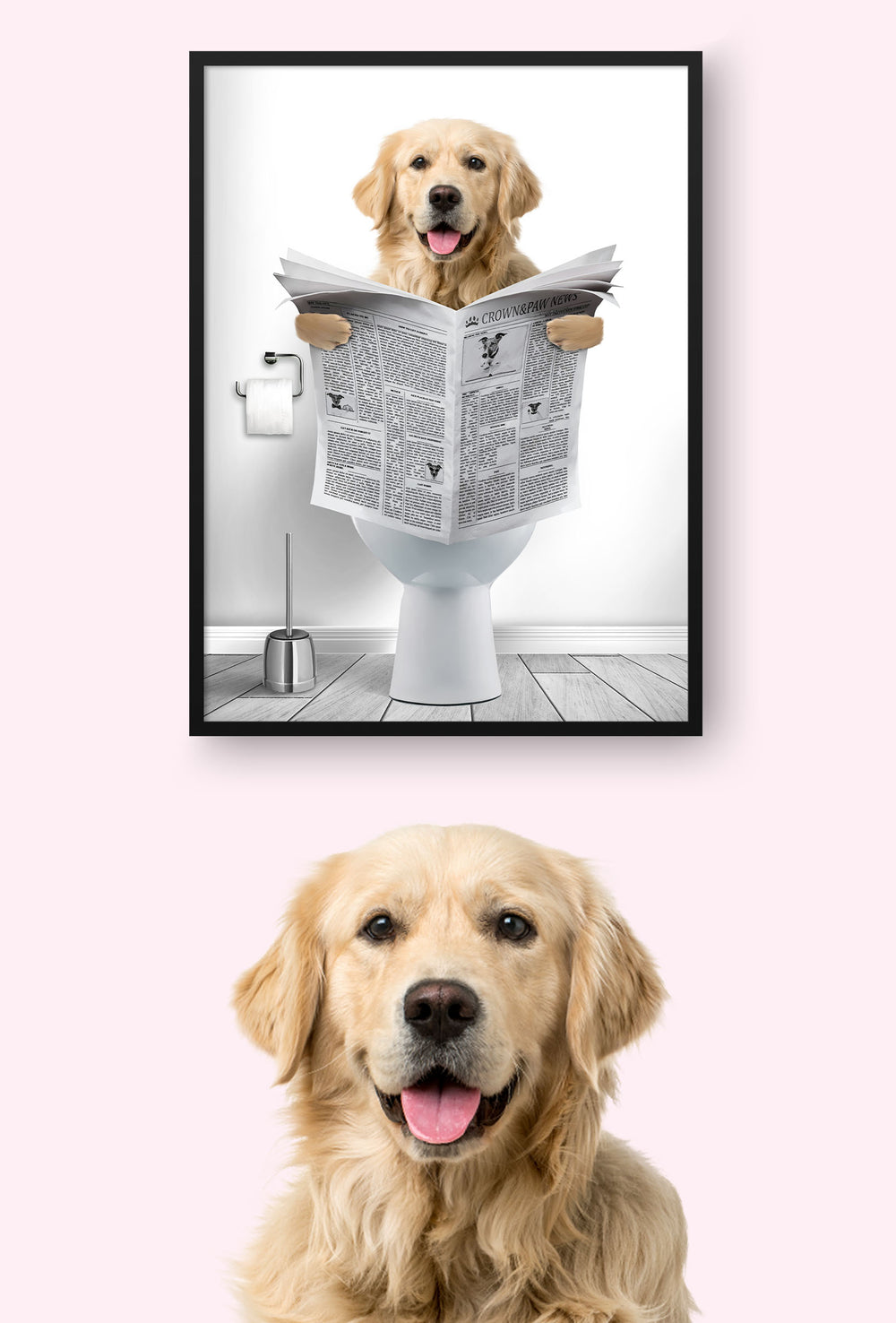
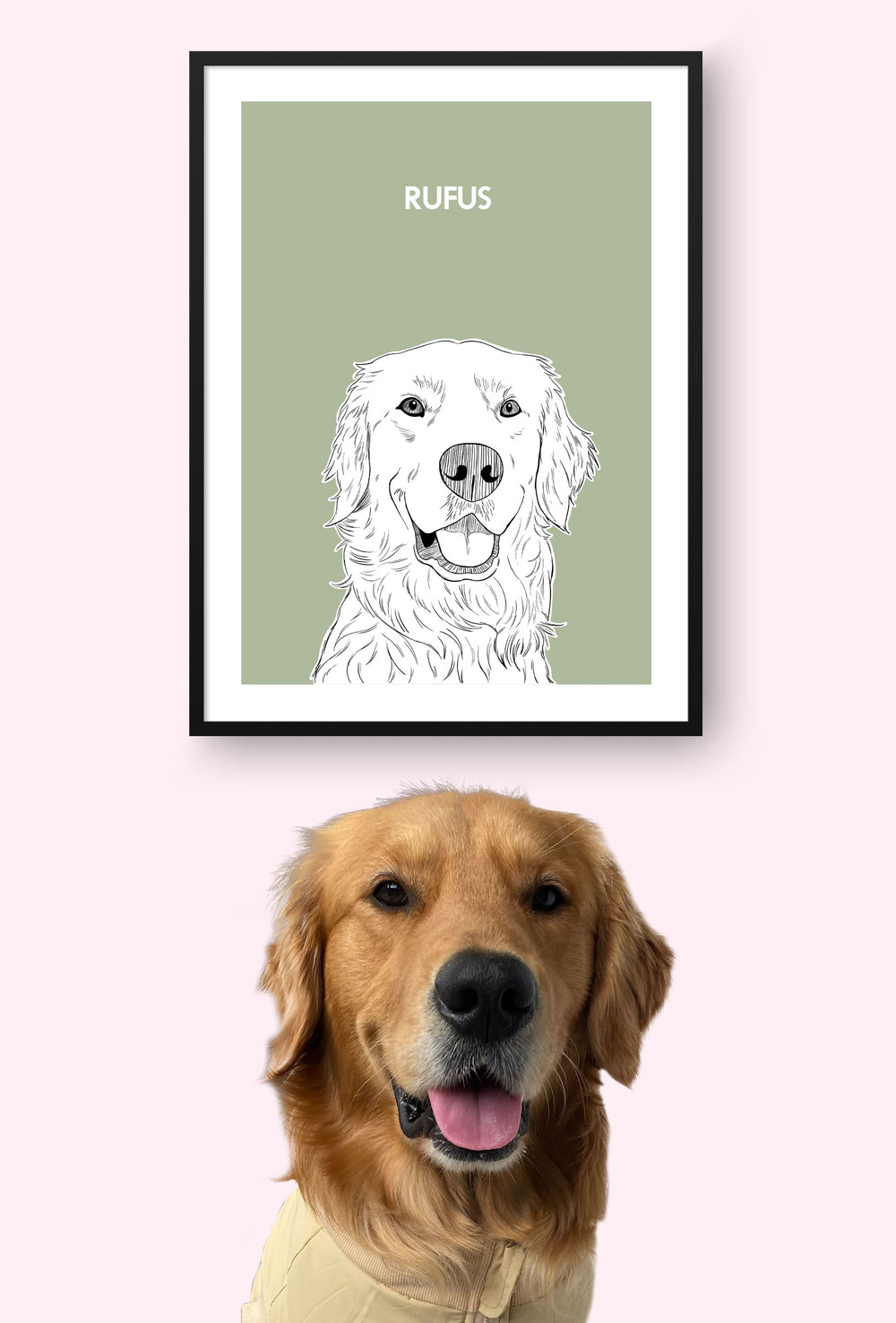
And that connection is something worth celebrating. One of the biggest pet industry trends we've seen in recent years is pet owners wanting to honor their bond with their animals in meaningful, lasting ways. That's exactly why pet portraits have become such a beloved tradition. Because at the end of the day, our pets are family.
At Crown & Paw, we celebrate that bond every single day. Because whether your dog leans in for kisses or politely turns their head, they love you right back in every way they know how.
Frequently Asked Questions
1. Do dogs understand kisses?
Dogs do not understand kisses in the same way humans do, but they can learn to associate kisses with affection, comfort, and positive attention. If kisses are usually followed by a soft voice, petting, treats, or cuddles, many dogs begin to understand them as a loving gesture.
2. What should I do if my dog doesn’t like kisses?
If your dog does not like kisses, do not force them. Instead, show affection in ways they enjoy, such as belly rubs, gentle petting, playtime, treats, walks, or simply spending calm time together.
3. Can I train my dog to enjoy kisses?
You can help your dog become more comfortable with kisses by keeping them brief, gentle, and positive. Pair kisses with treats, praise, or petting, and always let your dog move away if they want space.
4. What are other ways dogs show affection?
Dogs may show affection by wagging their tail, following you around, leaning against you, licking you, bringing toys, sleeping near you, making soft eye contact, or getting excited when you come home.
