




















 Reviews
 My Account
 Contact Us
 Help
Help
Holistic Care for Dogs: Therapy, Massage, and Physical Rehabilitation Tips
In recent years, we’ve heard a lot about holistic living, holistic care, and even holistic medicine. Those ideas focus on the whole body, not just one symptom. But here’s the thing. A holistic approach isn’t just for people anymore. More pet parents are starting to ask how the same thoughtful approach can apply to the dogs who share their lives.
Holistic care for dogs looks beyond routine checkups and medications. It can include dog therapy, massage, and physical rehabilitation to support movement, comfort, and day-to-day happiness. In this article, we’ll get into just what holistic care really means, how these options work, and when they may be worth exploring for your favorite canine.
What Holistic Care for Dogs Really Means
Holistic care for your pup goes far beyond the occasional vet visit and a prescription refill. It looks at the full picture of a dog’s life, including movement, comfort, nutrition, and emotional well-being.
An article from the American Kennel Club in 2020 shared that Americans were already spending more than $30 billion each year on alternative treatments for people, and pets were increasingly part of that spending. That number has likely climbed since then.
Today, many pet parents are checking into holistic options, especially when traditional approaches don’t meet the mark or when their own lifestyle choices around wellness naturally extend into everyday care for dogs.
Therapy Options for Your Pooch
Therapy options for dogs are often considered when a pup needs extra support beyond rest and routine care. Therapy for dogs may be recommended after an injury, following surgery, or as joints naturally change with age. Dog therapy can also play a role when mobility feels limited or when everyday movement becomes uncomfortable.
Here’s what a typical therapy session for your pup might look like.
-
Identifying the best exercises for your dog based on their needs
-
Water therapy for dogs to reduce joint strain during movement
-
Dog massage to help ease tight muscles and support circulation
These sessions are guided by trained professionals who build plans around each dog’s size, health history, and comfort level, adjusting as needs change over time.
Develop Improved Strength and Mobility with Physical Therapy for Dogs
People often turn to physical therapy after surgery, injuries, or when everyday movement starts to feel harder than it should. Dogs experience many of those same challenges. Whether it’s recovering from an orthopedic procedure, managing joint changes with age, or rebuilding strength after limited activity, guided rehabilitation can support safer movement over time.
This type of therapy differs from general exercise in a few important ways:
-
Purpose-driven movements: each activity targets a specific muscle group or mobility goal
-
Controlled pacing: sessions focus on form and comfort, not speed or endurance
-
Professional oversight: exercises are adjusted based on progress and response
Programs often include gentle stretching, balance work, and guided movements designed to rebuild strength gradually. Progress is tracked closely so plans can change as your dog’s abilities improve or their needs shift.
Water Therapy Offers Low-Impact Movement with Purpose
We’ve all seen it: people doing water aerobics at resorts or professional athletes using pools to recover after intense workouts. The same idea applies to dogs. Moving in water allows the body to work without placing full pressure on joints, thanks to buoyancy. That reduced strain can make movement feel more manageable for dogs dealing with stiffness, recovery, or limited mobility.
Water therapy can include a variety of activiies such as swimming or walking on an underwater treadmill, where water depth and speed are carefully controlled. Aquatic movement is often recommended for senior dogs, pups recovering from surgery, or those carrying extra weight. Trained professionals supervise every session to manage safety, fatigue, and comfort from start to finish. And the best thing? Most pups love the water and they think that they’re just there to have fun.
Dog Massage is About More than Relaxation
Massage for dogs is about far more than helping a pup unwind. Within holistic care, hands-on bodywork supports muscle comfort, circulation, and overall movement by gently working soft tissue and encouraging relaxation throughout the body. When muscles feel less tight, dogs may move more freely and rest more comfortably.
Professionals trained in massage for dogs will use techniques that are best suited to your pooch based on things like age, condition, and tolerance. At-home touch, on the other hand, should stay light and for just a few minutes at a time, focusing on calm contact rather than pressure. Keep in mind, however, that massage may not be appropriate for dogs with certain medical conditions or recent injuries, which is why guidance from a veterinarian or certified practitioner always matters.
How to Approach Massage for Dogs at Home
Many pet parents apply the concept of gentle touch at home to help their dogs relax. For anxious pups, familiar surroundings can make a big difference, especially when care comes from someone they trust. While therapy for dogs often involves trained professionals, calm, mindful touch at home can still play a supportive role when done thoughtfully.
Here are some simple guidelines that are good to keep in mind when giving your dog a massage:
-
Gentle pressure only, and watch body language like tail position, ears, and breathing
-
Focus on shoulders, back, and hips; avoid the spine, joints, and sore spots
-
Keep sessions short, about five to ten minutes, a few times per week
-
Stop if your dog pulls away, stiffens, or seems uncomfortable, and consult a professional if concerns arise
Creating a Well-Rounded Care Routine at Home
Creating a well-rounded routine at home is about how small habits add up over time. Therapy for your pooch works best when it’s supported by thoughtful daily choices, gentle hands-on care, and realistic activity levels. Movement, rest, and attention all play a role in how a dog feels from one day to the next.
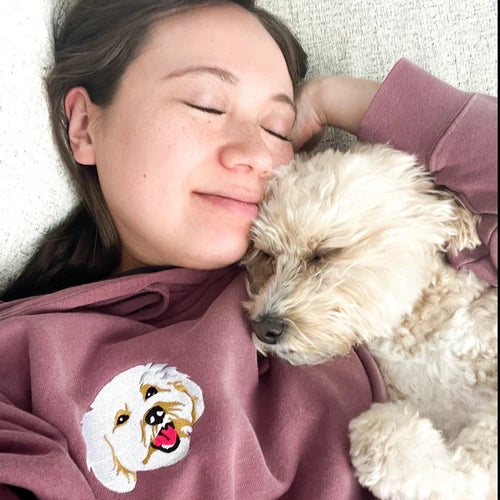
Nutrition fuels the body, rest allows recovery, and light activity keeps joints from getting stiff. Consistency matters more than intensity, so it’s better to stick with simple routines than push too hard. Many pet parents keep notes on mobility, mood, and comfort to spot patterns early. And since care also includes connection, familiar touches like a favorite pet portrait nearby or slipping on custom pet face socks during cuddle time help reinforce calm, comforting routines your dog recognizes.
When to Talk to Your Veterinarian or Canine Specialist
There are times when extra guidance can make a real difference in how your dog feels day to day. Certain signs may suggest it’s time to start a conversation with a veterinarian or canine specialist:
-
Ongoing stiffness or reluctance to move
-
Difficulty standing, climbing stairs, or jumping
-
Changes in gait or posture
-
Sensitivity to touch or handling
-
Slower recovery after activity
Before starting any hands-on or movement-based program, a professional assessment matters. A veterinarian can rule out underlying issues and recommend next steps. When needed, coordinating care between vets, rehabilitation professionals, and trainers helps create a clear, thoughtful plan that supports your dog safely and responsibly.
Take a Holistic Approach to Care for Your Pup
Taking a thoughtful, whole-body approach to your dog’s well-being is about paying attention, staying curious, and choosing support that fits your pet’s needs. From guided movement to gentle hands-on care and mindful routines at home, small efforts can add up over time.
Just as these practices help dogs feel more comfortable in their bodies, the bond you share grows stronger through care and connection. Many pet parents celebrate that bond by filling their homes with reminders of the love they share, whether it’s a favorite pet canvas or a custom pet poster that captures their dog’s personality and place in the family.
Want more great insights for pet lovers? Check back regularly for great content from Crown & Paw.
