






















 Reviews
 My Account
 Contact Us
 Help
Help
The Legendary Dogs in Mythology: 7 Famous Canines from Ancient Legends and Folklore
We all know that dogs have played a special role in the lives of humans for hundreds of years. So, it shouldn’t be surprising that these canines also appear in myths, legends, and folklore from nearly every culture. Some of the most force and brave dogs were well known to guard the gates of the afterlife. Others are famous for their roles in protecting villages and accompanying the various god. And of course, all of these dogs were a symbol of loyalty, strength, and even destruction.
But, just how much have these legendary dogs from mythology shaped human imagination? You might be surprised.
Most of these creatures, despite their frightening appearances, were not the fierce villains that we believe them to have been. Rather, they were guardians and guides whose fearsome forms served a purpose. If current pet industry trends tell us anything, our fascination with dogs has never faded.
Today, we celebrate them as our furry friends. And it might not be all that different from how our ancestors did around ancient fires.
What Are the Most Famous Dogs Based on Mythology?
The truth is that there are a lot of famous mythological dogs. We couldn’t possibly list them all in one article. So, instead, we picked some of our favorites. And in this article, we’ll talk about seven famous dogs in mythology. And chances are, you’ve even heard of some of them.
Each of the following played a pretty unique role in history. Some guarded spaces. Some guided souls into the afterlife. And others? Well, we’ll let you decide why their names ended up in the most popular of mythology books.
-
Anubis, the jackal-headed Egyptian god who watched over the dead
-
Cerberus, the three-headed hound who guarded the Greek realm of the dead
-
Canis Major, the great dog constellation that contains Sirius
-
Fenrir, the enormous wolf of Norse prophecy
-
The Church Grim, a spectral black dog who protected churchyards
-
Argos, the loyal companion of Odysseus
-
Garmr, the howling hound tied to Ragnarök
Why Do Dogs Appear So Often in Mythology?
So, why are these famous dogs in mythology, well, so famous? Consider that dogs were among the first animals humans ever domesticated, and they earned their place in our stories the same way they earned their place at our firesides. They protected homes. They hunted alongside their owners. And many of these dogs in mythology warned of danger long before human senses could detect it. Perhaps most important, these brave pups represented loyalty in its purest form.
Many cultures also viewed dogs as guides between life and death. A dog's keen senses seemed almost supernatural, so people believed canines could perceive spirits and lead souls safely into the next realm. Because dogs already held such important roles in daily life, ancient storytellers naturally included them in tales about gods, heroes, and the afterlife.
Common Symbolic Meanings of Mythological Dogs
While every culture told its own stories, the dogs within them carried remarkably similar meanings. Most legendary canines embodied one or more of the following themes.
-
Protection
-
Loyalty
-
Guardianship
-
Death and the afterlife
-
Courage
-
Guidance
Why Are Mythological Dogs Usually So Fierce?
We all know that mythology loves exaggeration. Storytellers took familiar animals and stretched them into something larger than life, and dogs were no exception. A guard dog became a beast the size of a mountain. A watchful hound gained two extra heads or a howl that could shake the heavens.
These fearsome forms had a purpose. Most legendary canine creatures were guardians rather than villains, and a guardian needs to be intimidating. A three-headed dog at the gates of the dead discourages trespassers far better than a friendly one. Their fierceness was a sign of devotion rather than evil. With that in mind, let's meet the legends themselves.
The Most Legendary Dogs Based on Mythology
With all that context in mind, it is time to officially (okay, maybe not so officially) meet the famous hounds who inspired it. Each of the following dogs comes from a different corner of mythology, yet all of them left a lasting mark on how we imagine our four-legged companions.
Anubis, Guardian of the Dead
In Egyptian mythology, Anubis stands as one of the most recognizable figures of the ancient afterlife. Depicted with the sleek black head of a jackal atop a human body, he presided over mummification, protected tombs from robbers, and guided souls on the journey that followed death.
His most famous duty was the weighing of the heart, in which Anubis placed the heart of the deceased on a great scale opposite the feather of Ma'at, the symbol of truth. A heart lighter than the feather meant the soul could pass into paradise.
Though intimidating in appearance, Anubis was never a figure of chaos. He represented order, fairness, and protection, a divine watchdog making sure every soul received honest judgment.
Cerberus, the Three-Headed Hound of Hades
Greek mythology gave us perhaps the most famous mythical dog of all. Cerberus, the monstrous three-headed hound, guarded the entrance to the realm of Hades. His job was simple. The dead could enter, but no one could leave.
With three snapping heads and a serpent for a tail, Cerberus was the ultimate guard dog. Even so, he was not a villain. He simply took his job very seriously.
Cerberus features in the final labor of Hercules, who was ordered to capture the beast without weapons and wrestled the hound into submission, a dramatic tale that made Cerberus one of mythology's most enduring images.
Canis Major, the Great Dog in the Sky
Not every legendary dog lived below the earth. Canis Major, the Great Dog, shines in the night sky as a constellation containing Sirius, the famous Dog Star and the brightest star visible from Earth.
In Greek tradition, Canis Major represents a hunting dog at the heels of Orion, following the great hunter eternally across the heavens. Ancient sailors used the constellation to find their way, while the Egyptians watched for the rising of Sirius because it signaled the annual flooding of the Nile.
Mythology placed dogs everywhere that mattered, from the shadowy realm of the dead to the brightest point in the night sky.
Fenrir, the Wolf Destined to Change the Gods' Fate
Fenrir is technically a wolf rather than a dog, but no list of legendary canine creatures feels complete without him. In Norse mythology, Fenrir was the monstrous child of the trickster god Loki, and he grew so quickly that the gods themselves feared him.
Prophecy foretold that Fenrir would devour Odin during Ragnarök, the cataclysmic battle at the end of days. Desperate to delay fate, the gods bound him with a magical ribbon crafted by dwarves, though the god Tyr lost his hand in the process.
Fenrir represented raw, uncontrollable power and the futility of fighting destiny, a reminder that some forces cannot be tamed.
The Church Grim, Protector of Sacred Ground
From English and Scandinavian folklore comes a quieter figure, the Church Grim, a spectral black dog said to patrol churchyards through storm and moonlight.
Unlike many ghostly hounds of British legend, the Church Grim was not a creature to fear. It protected churches and their burial grounds from thieves, witches, and evil spirits. Some tales claim a black dog was buried in a new churchyard so its spirit could serve as an eternal guardian, sparing human souls from that lonely duty.
The Church Grim proves a point. Even a ghostly black hound glimpsed at midnight could be a devoted protector rather than a bad omen.
Other Legendary Dogs Worth Knowing
A few more famous mythical dogs deserve a mention. Argos, the aging hound of Odysseus, waited twenty years for his master's return and recognized him instantly despite his disguise, one of literature's most touching tributes to canine loyalty.
Garmr, another Norse hound, guarded the land of the dead and was fated to howl at the arrival of Ragnarök. Black Shuck, a shaggy phantom dog of East Anglian folklore, roamed coastlines and country lanes. And the Cŵn Annwn, the spectral hounds of Welsh mythology, raced across the sky on wild hunts.
What Mythological Dogs Tell Us About Our Relationship with Dogs
Strip away the extra heads and the supernatural strength, and these legends all say the same thing. Humans have trusted dogs for thousands of years. We trusted them to guard our homes, so we imagined them guarding the afterlife. We trusted them to stay by our side, so we wrote stories of hounds who waited decades for their owners.
That emotional connection has never weakened. Dogs continue to inspire art, books, and movies, and anyone who has browsed the cutest dog breeds or read about the ways dogs show affection knows the bond is as strong as ever. Modern dogs may be beloved family members rather than mythical guardians, but the traits those ancient stories celebrated, loyalty, courage, and devotion, live on in every wagging tail.
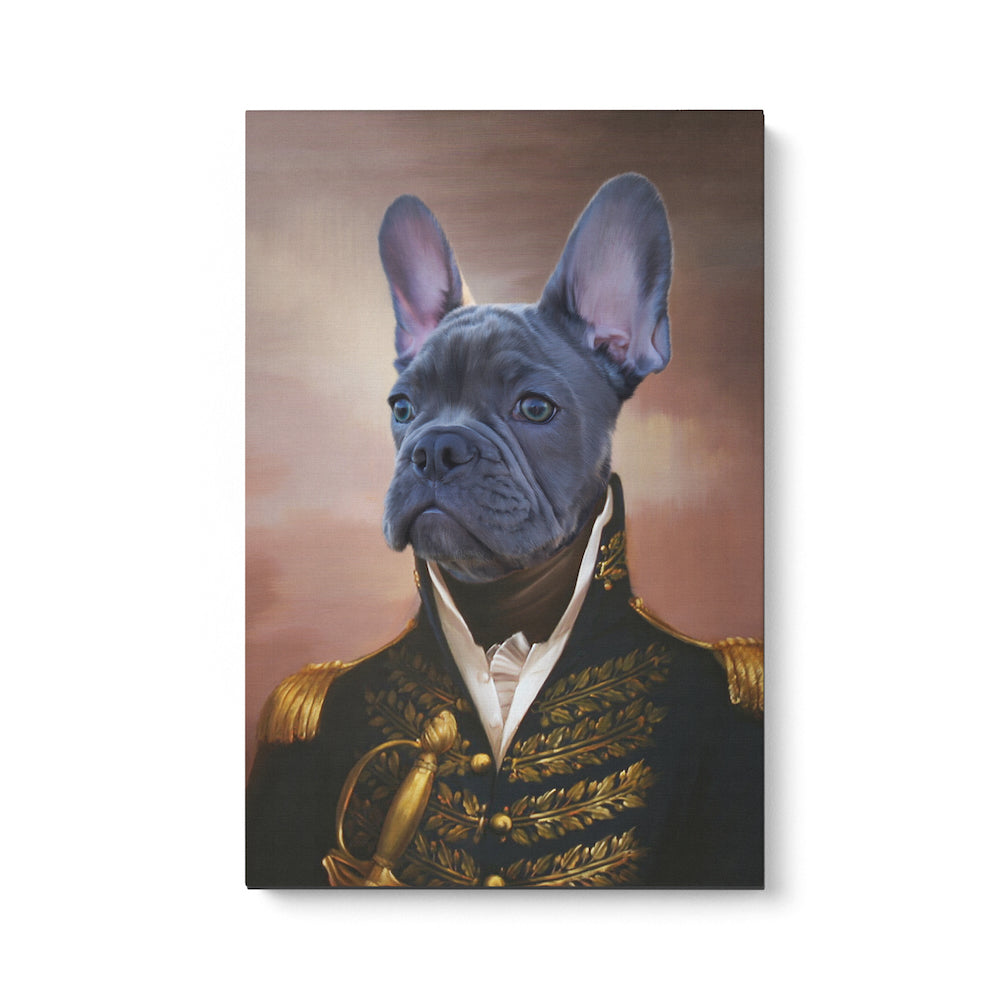
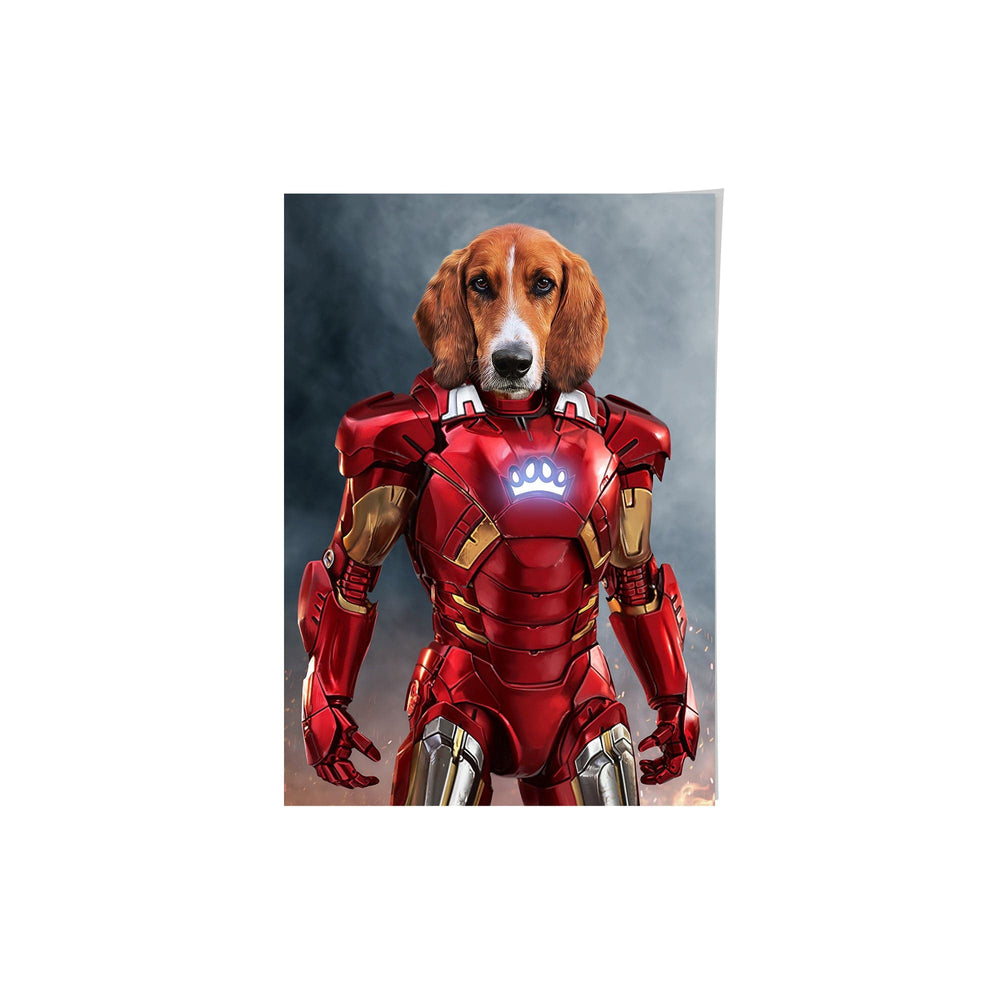
Many owners now honor that bond through artwork, commissioning custom pet portraits that capture the personality of a treasured companion. It is a modern way of doing what ancient cultures did long ago, turning our dogs into legends.
A Legacy That Lives On
The legendary dogs of mythology reflect how people have always seen their canine companions. Across Egypt, Greece, Scandinavia, and Britain, dogs appeared as protectors far more often than monsters. They guarded gates, guided souls, and stayed loyal beyond death itself.
Those stories continue to shape books, movies, games, and popular culture, proof that our admiration for dogs has barely changed over thousands of years. Today's dogs may spend more time chasing tennis balls than guarding the afterlife, but look into the eyes of a devoted pup standing watch at the window and you will see the same spirit that inspired these legendary tales.
Frequently Asked Questions
1. Were mythological dogs always evil?
No, these dogs from mythology were not always evil. Most served as guardians or protectors, and their frightening appearances were meant to deter intruders rather than signal wickedness.
2. Is Anubis a dog or a jackal?
Anubis has the head of a jackal, a wild canine of Egypt. Since jackals belong to the dog family, he is commonly grouped among mythology's famous canines.
3. Why are so many of these dogs from mythology connected to death?
Ancient cultures saw dogs as watchful guardians with uncanny senses, which made them natural guides between the land of the living and the realm of the dead.
4. Which mythology has the most famous legendary dogs?
Greek mythology likely wins thanks to Cerberus and Argos, though Egypt's Anubis, Norse figures like Fenrir, and Britain's spectral hounds remain widely recognized.
5. Are there any friendly dogs based on mythology?
Yes. Argos embodied lifelong loyalty, Canis Major faithfully follows Orion across the sky, and the Church Grim devotedly protected sacred ground.
6. What are some popular mythological dog names for pets?
Many owners borrow names from legend for their own companions. Anubis, Fenrir, Argos, Sirius, and Cerberus all make bold choices for a modern pup.
