















 Reviews
 My Account
 Contact Us
 Help
Dog Personality Types: What Kind of Personality Does Your Dog Have?
Have you ever looked at your dog and wondered what was going on in their brain? For example, just what are they thinking when they get the zoomies and run around like crazy after a bath? Or why do they hide behind the living room plant whenever someone carries a certain item into the room? And for pet owners with more than one dog, why is each of them so different?
This all begs the question of dog personality types. And as humans, do we even understand dog breed personalities? In this article, we’ll share what we’ve learned along the way and how you can better understand why your dog behaves one way in one situation and an entirely different way the next time around.
Do Dogs Really Have Different Personalities?
Let’s answer this question right away. Absolutely! Dogs do have different personalities. Just as humans have different personality types, so do your favorite canines. Like us, their personalities are shaped by how they are raised, their environment, and their genetics.
In fact, researchers studied behavioral information from about 14,000 dogs across 101 breeds to better understand what makes dogs tick. They looked at everything from how dogs respond to strangers to how easily they can be trained. Then, they compared that information with genetic data and identified 131 areas of dog DNA that may influence personality traits.
But here's where things get interesting. Genetics can only tell us so much. All of the following play a role in shaping a dog’s personality:
-
Training
-
Socialization
-
Life experiences
So even two puppies that were born into the same litter can grow up with absolutely different dog personality types. One might be the life of the party. The other? They might be far happier watching the action (or hiding from it) from the comfort of the living room couch.
What are the 6 Most Common Dog Personality Types?
From a human perspective, using the well-known Myers-Briggs methodology, the most common personality type is the ISFJ. This personality type is introverted, sensing, feeling, and judging. Basically, that means they are caring, loyal, dependable, and attentive to others' needs.
Ironically, a very similar description can also describe how we think of dogs. Dogs are well known to be loyaltr to their owners, caring because they can often sense how others are feeling, and dependable because they always seem to be around when we need them (and even when we don’t).
But if we dig a bit deeper, what do the most common dog breed personalities look like? While researchers have identified certain personality traits in dogs, there isn't one official list of six dog personalities. And just like people, dogs rarely fit neatly into one category. Your pup might be a social butterfly one minute and a couch potato the next.
So, let's look at six common personality types and see which ones sound most like your furry friend.
-
The Social Butterfly
Does your dog believe that everyone they meet is their new best friend? Then you probably have a social butterfly on your hands! These dogs love attention, enjoy meeting new people, and are often the first to greet visitors at the door. They're usually playful, outgoing, and comfortable in social situations.
-
The Couch Potato
For some dogs, nothing beats a comfortable couch, a soft blanket, and their favorite human nearby. These laid-back pups tend to prefer relaxation over adventure. They're often affectionate and content to spend hours lounging around the house. But don't let their lazy reputation fool you. Your couch potato still needs regular exercise and mental stimulation.
-
The Energetic Adventurer
You know that dog who never seems to run out of energy? That's the energetic adventurer! These pups love exploring, playing fetch, going for walks, and investigating every interesting smell along the way. They're often curious and eager to try new activities. Without enough exercise and mental challenges, however, they may find their own ways to stay entertained, sometimes at the expense of your favorite shoes.
-
The Independent Thinker
Some dogs seem to have their own agenda, and they're perfectly happy sticking to it. Independent thinkers are often curious, determined, and comfortable entertaining themselves. They may enjoy affection, but usually on their own terms. Sometimes labeled as stubborn, these dogs simply need patience, consistent training, and a little motivation to cooperate.
-
The Loyal Shadow
Does your dog follow you from the kitchen to the bathroom and back again? Congratulations! You've got a loyal shadow. These affectionate pups love being close to their humans and often seek out cuddles, attention, and reassurance. Following you everywhere is just one of the many ways dogs show affection. While their devotion is adorable, it's also important to help them feel comfortable spending some time alone.
-
The Sensitive Sweetheart
Not every dog wants to be the center of attention. Sensitive sweethearts, who are also some of the cutest dog breeds in our humble opinion, tend to be cautious around unfamiliar people, loud noises, or new environments. They may prefer spending time with a few familiar faces rather than joining a crowded dog park. These dogs often benefit from predictable routines, patience, and gentle encouragement as they become more comfortable with new experiences.
Of course, these six descriptions are just a fun way to understand common behaviors, not scientifically established personality categories. And remember, your dog doesn't have to fit just one description. You might have an energetic adventurer who turns into a loyal shadow the moment you sit down on the couch. We think this is just part of what makes our furry friends so lovable.
How Much Does Your Dog’s Breed Influence Their Personality?
Now let’s talk about different dog breed personalities. We’ve all seen examples of this, right? A German Shepherd’s personality is likely to be loyal, protective, and highly intelligent. A Cavalier King Charles Spaniel, on the other hand, is more likely to be gentle, affectionate, and eager to cuddle. And what about the Basset Hound? These low riders are notoriously stubborn, laid-back, and driven by their noses.
Of course, these are generalizations. When it comes to dog breeds and their personalities, genetics can influence certain traits, but every dog is still an individual.
Here are a few examples of breeds and the personality traits commonly associated with them.
|
Dog Breed |
Common Personality Traits |
|
German Shepherd |
Loyal, protective, intelligent, and alert |
|
Cavalier King Charles Spaniel |
Gentle, affectionate, friendly, and adaptable |
|
Basset Hound |
Stubborn, laid-back, curious, and scent-driven |
|
Golden Retriever |
Friendly, playful, eager to please, and social |
|
Border Collie |
Energetic, intelligent, focused, and hardworking |
|
Siberian Husky |
Adventurous, outgoing, independent, and playful |
Though these generalizations can be fun to look at, remember your dog’s breed won’t tell the full story. If you’re curious about your own pup’s unique characteristics, taking a fun pet personality quiz can be another way to help get into that little brain of theirs to see what makes them tick.
Can Your Dog’s Personality Change Over Time?
Just like our personalities change over time, so do our pets'. During puppyhood, most dogs will be energetic, curious, and playful. But as they get older, figure out their space, and develop what they like and don’t like, their personality may change.
As dogs get older, they tend to show their preferences. Rather than gobbling up whatever kibble you place in front of them, they may turn their nose up at certain flavors. When it's time to take a walk, they might prefer one route over another. And they may become more selective about which dogs they want to play with or how much attention they want from strangers.
Then, during their senior years, you may see their activity level slow down a bit. Your once-energetic adventurer might prefer shorter walks and longer naps. They may also become more attached to familiar routines and favorite people.
Of course, every dog ages differently. And while gradual changes are normal, sudden personality or behavioral changes could signal a health concern worth discussing with your veterinarian.
Celebrating Your Dog’s Unique Personality
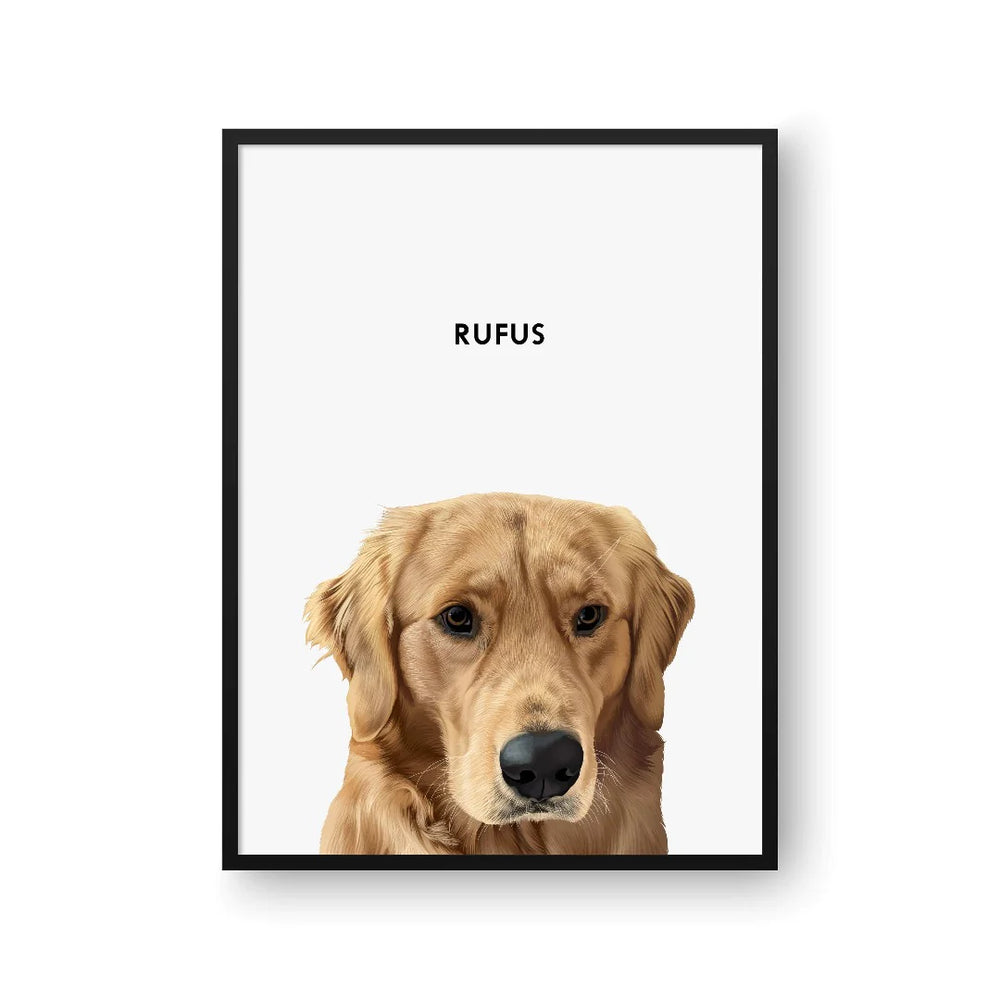
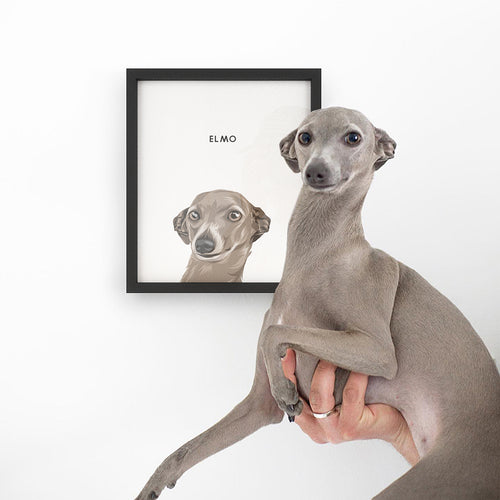
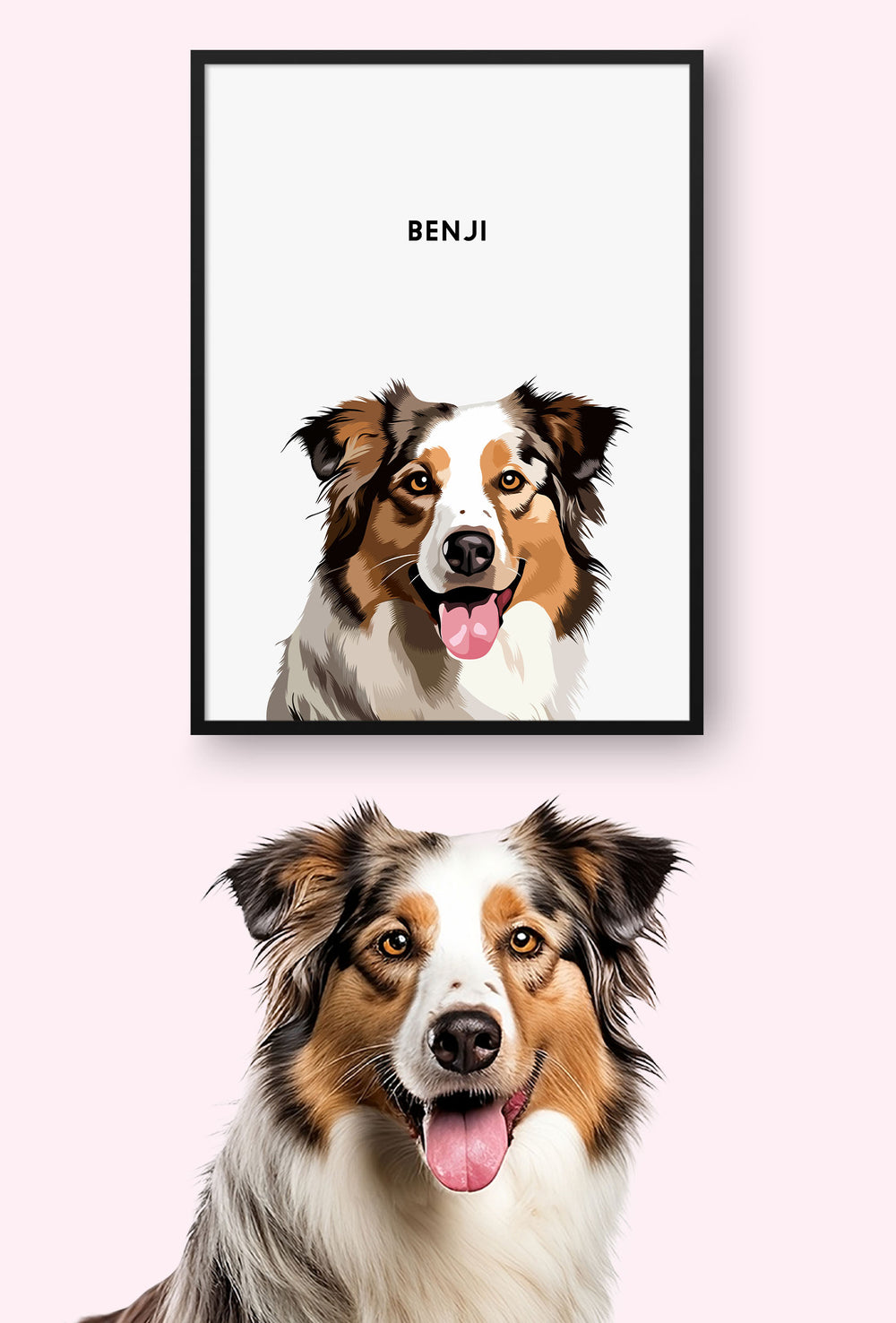
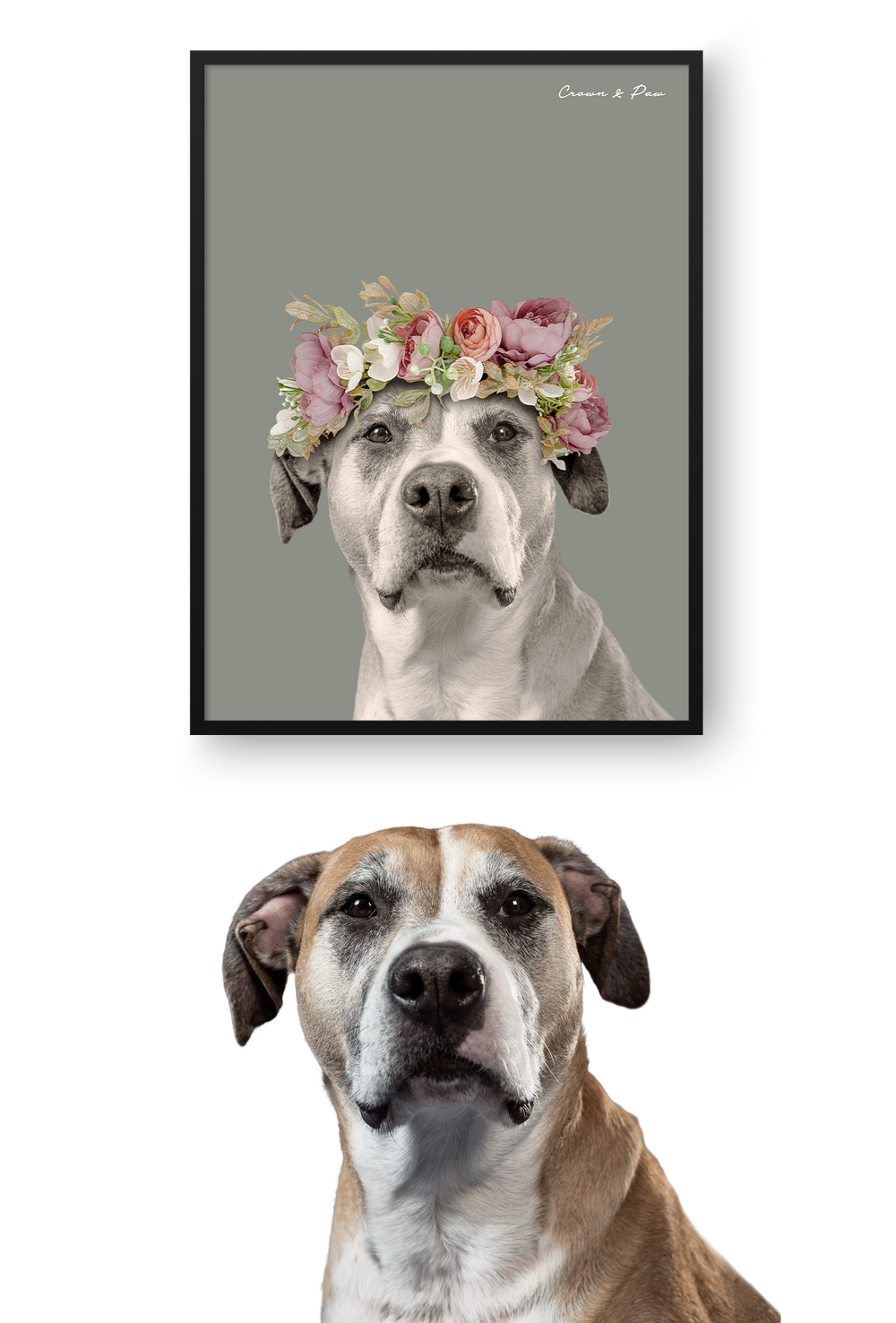
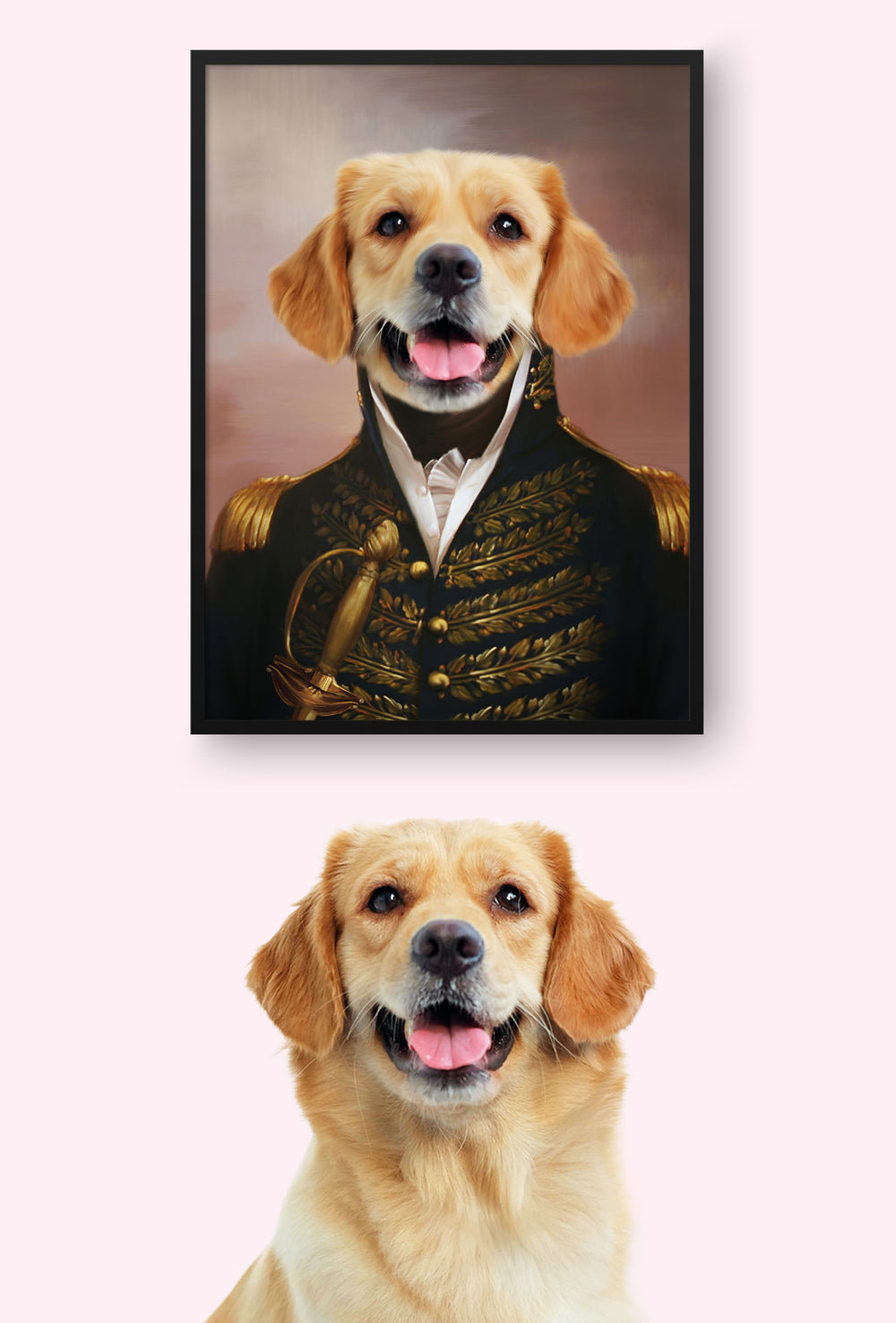
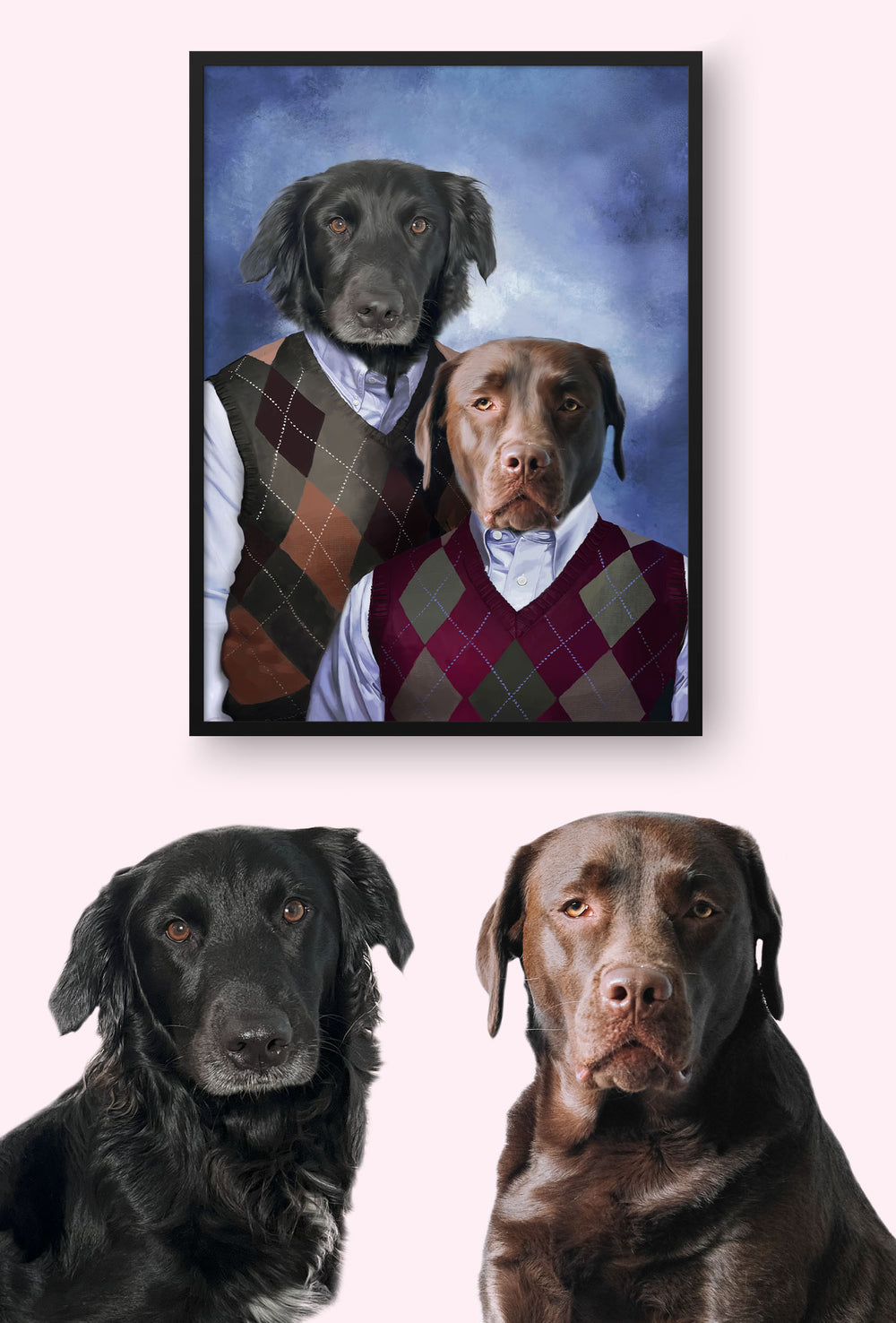
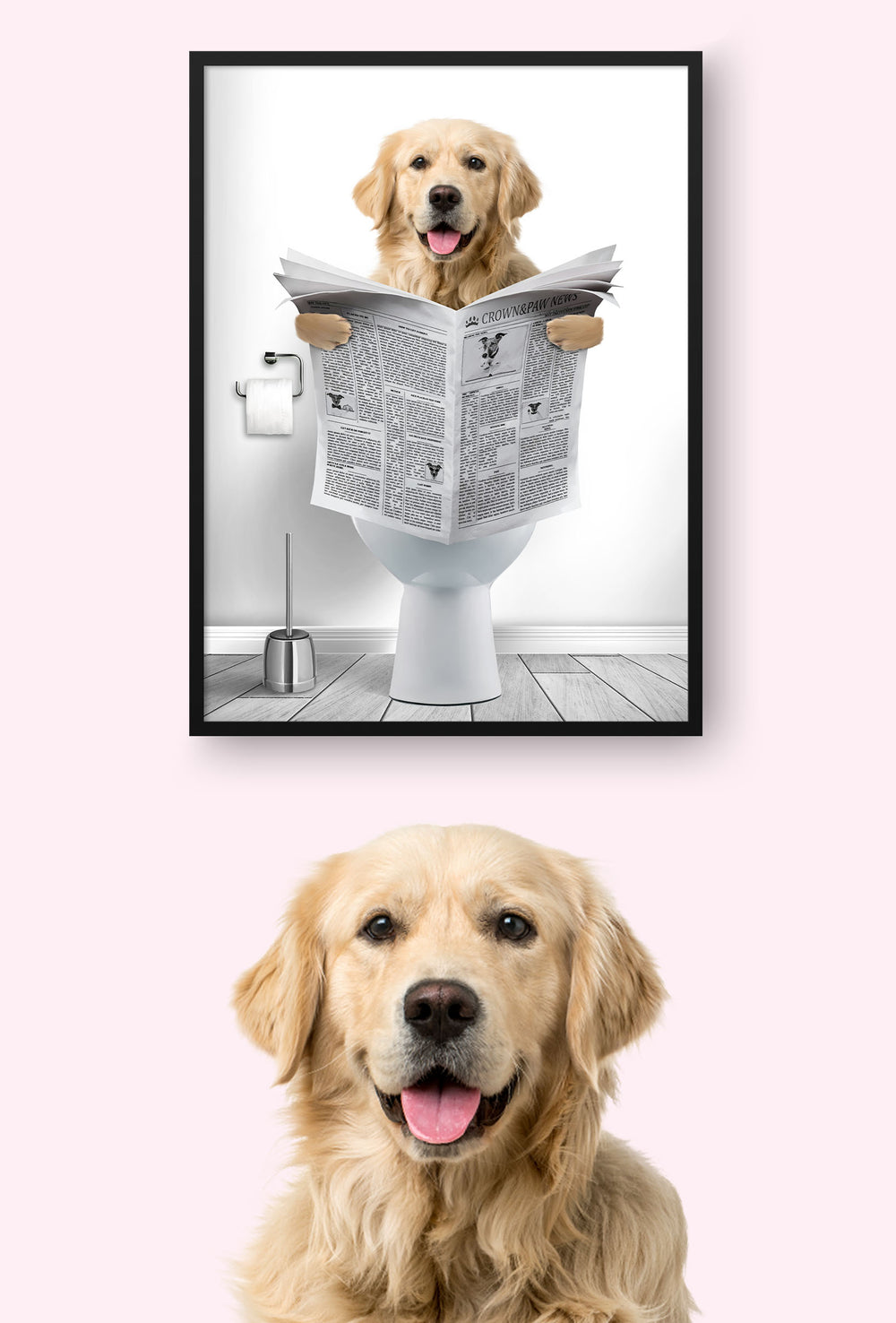
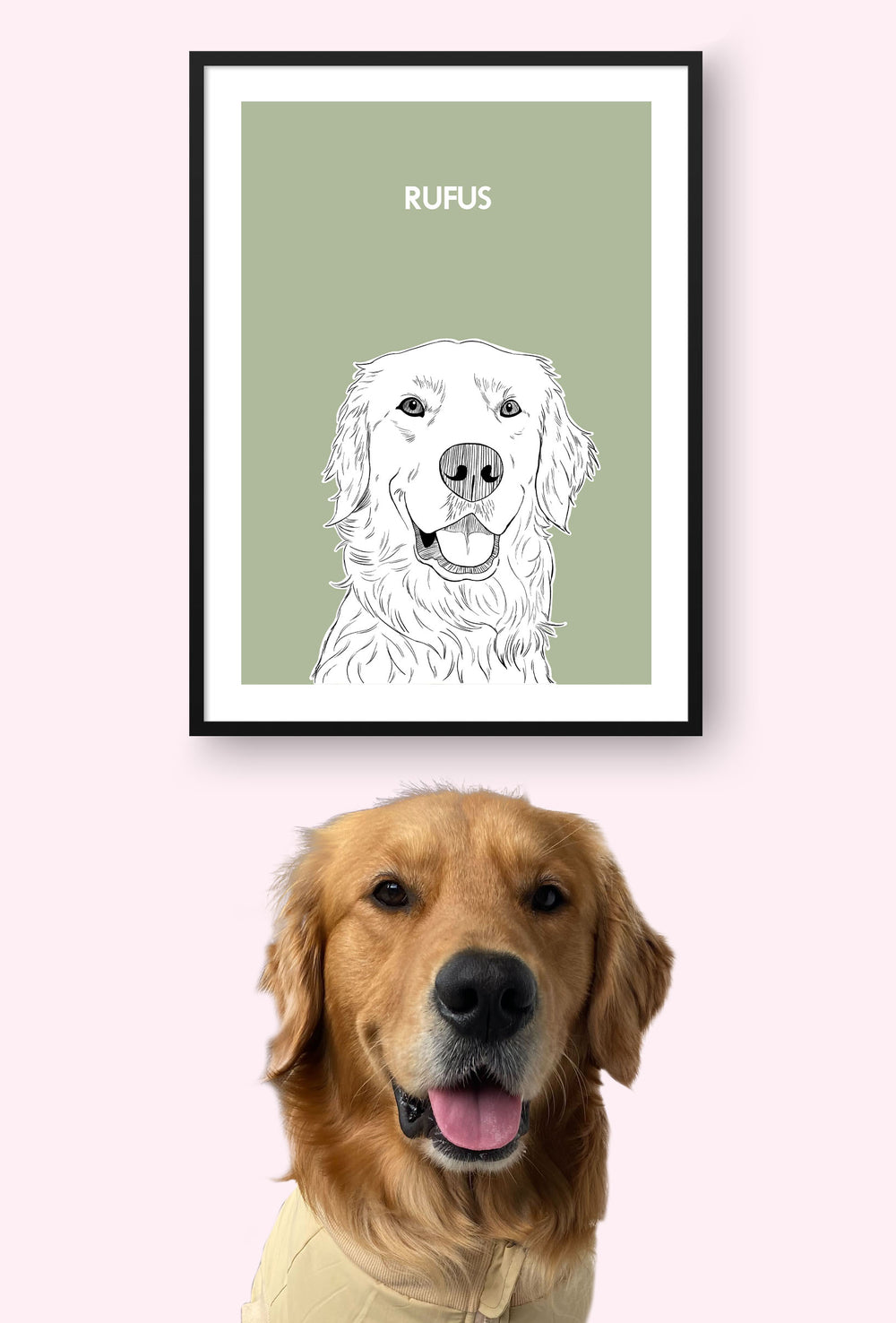
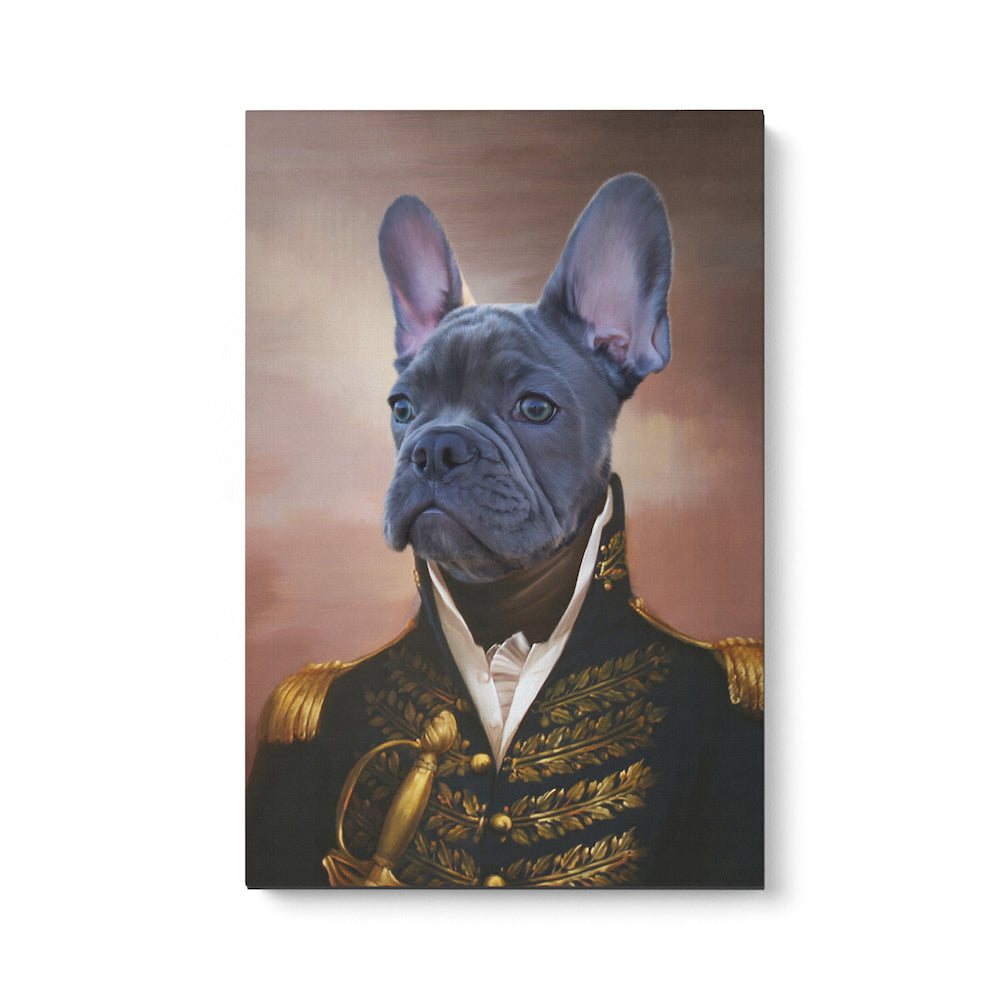
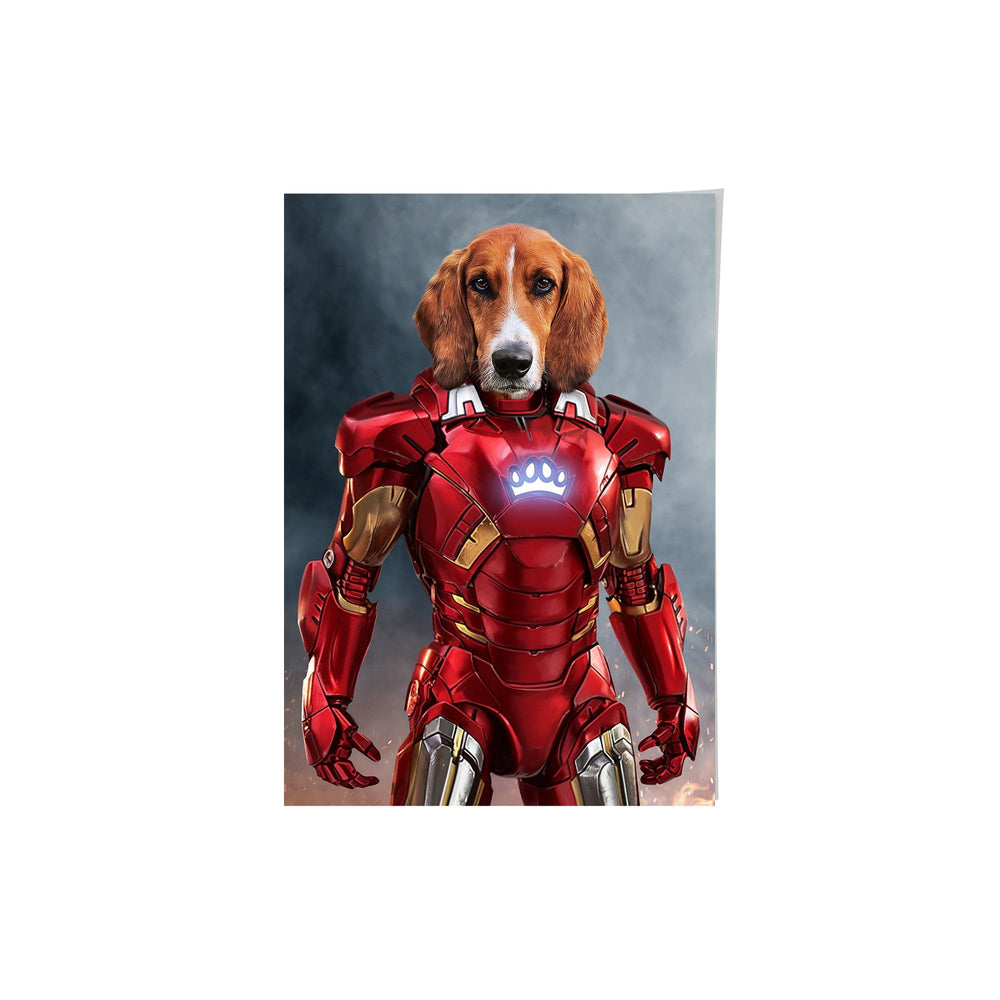
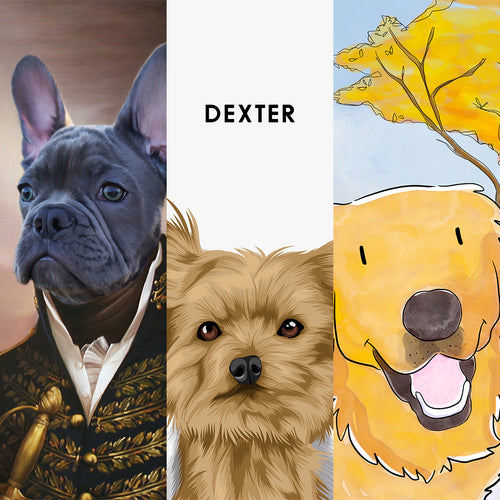
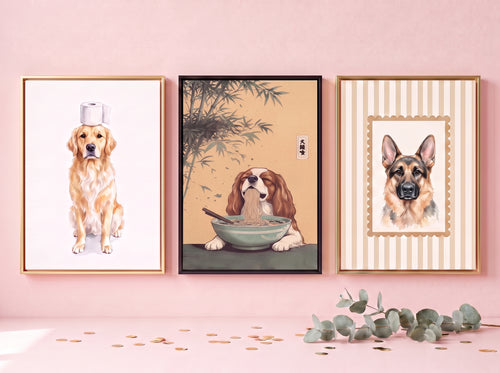
At Crown & Paw, we help pet owners celebrate their dogs' unique personality traits. One way we do that is through custom pet portraits. Imagine adorning your house with fun images of your pet, either dressed in silly costumes or just being who they are meant to be.
Think about all the different types of dogs and their personalities. Maybe your dog is the king or queen of the house, always demanding attention and expecting everyone to cater to their every need. Or perhaps your pup is a little comedian, constantly making you laugh with their silly expressions and playful antics.
Whatever makes your dog special, a personalized pet portrait is a fun way to capture their character and show off their personality. And let's face it, our dogs already act like they're part of the family. Why not give them a place of honor on the wall, too?
Embrace Your Dog’s Uniqueness
We view dogs as individuals, no matter how big or small they are, their breed, or where they came from. And learning how to embrace their unique little quirks and habits, loving gestures, and all that they are is one of the best parts of pet ownership.
In fact, one of the fun things we're seeing in pet industry trends is how much pet owners love celebrating their furry family members through personalized gifts and artwork.
So, whether your dog is a social butterfly, a couch potato, or a little bit of everything, celebrate what makes them special. After all, there's only one dog quite like yours, and that's something we totally think is worth honoring.
Frequently Asked Questions
1. Can a Dog Have More Than One Personality Type?
Yes. Most dogs show a mix of personality traits rather than fitting into one category. A dog may be very social around familiar people but cautious in new environments, or highly energetic outdoors and calm at home.
2. Does Training Change a Dog’s Personality?
Training can influence behaviour, confidence, and how a dog responds to certain situations, but it does not completely change their natural temperament. Consistent, positive training can help bring out desirable behaviours and make a dog feel more secure.
3. Do Male and Female Dogs Have Different Personalities?
Some owners notice behavioural differences between male and female dogs, but personality is influenced by many factors, including breed, genetics, socialisation, training, and individual experiences. Sex alone does not determine a dog’s personality.
4. Can You Tell a Puppy’s Future Personality?
You may notice early traits such as confidence, curiosity, independence, or sociability, but a puppy’s personality can continue to develop as they grow. Training, environment, socialisation, and life experiences all play an important role in shaping adult behaviour.
